Top Factors to Consider Before Choosing a CNC Cutting Machine Supplier for Your Business


Selecting the right CNC cutting equipment is a major investment for any fabrication, engineering, automotive, or metal processing business. The supplier you choose directly affects machine performance, production quality, maintenance costs, and operational efficiency.
Many businesses focus only on machine pricing while overlooking critical factors like technical support, spare part availability, software compatibility, and supplier expertise. This often leads to higher downtime, inconsistent cutting accuracy, and increased operational expenses later.
A trusted CNC Cutting Machine Supplier does more than sell equipment. They provide technical guidance, application support, installation assistance, operator training, and long-term service reliability. Whether you run a small fabrication unit or a large industrial manufacturing plant, choosing the right supplier can significantly improve productivity and profitability.
What is CNC Cutting Machine Supplier?
A CNC Cutting Machine Supplier is a company that provides computer-controlled cutting machines used for industrial fabrication and manufacturing applications. These suppliers offer machines such as plasma cutters, laser cutters, oxy-fuel systems, and CNC routers along with installation, training, technical support, software integration, and spare parts to help businesses achieve accurate and efficient cutting operations.
Why Choosing the Right Supplier Matters
Modern manufacturing industries rely heavily on precision cutting. Even a small error in machine calibration or software integration can affect production timelines and material quality.
A professional supplier helps businesses:
Improve cutting accuracy
Reduce material wastage
Minimize machine downtime
Increase production speed
Maintain long-term machine performance
Access quick technical support
For example, a fabrication company handling stainless steel components requires highly accurate cuts with smooth edge quality. An experienced supplier can recommend the right plasma or laser system based on thickness, production volume, and operational requirements instead of simply offering the most expensive machine.
Evaluate the Supplier’s Industry Experience
Experience plays a major role when selecting a CNC Cutting Machine Supplier. Suppliers with strong industry knowledge understand different fabrication challenges and can recommend suitable solutions based on actual production requirements.
An experienced supplier usually has expertise in industries such as:
Heavy engineering
Automotive manufacturing
Shipbuilding
Structural steel fabrication
HVAC manufacturing
Industrial equipment production
Ask how long the supplier has been operating and what industries they primarily serve. Suppliers with years of practical experience are more likely to provide reliable recommendations and technical assistance.
Check the Range of CNC Machines Offered
Different industries require different cutting technologies. A good supplier should offer multiple machine options instead of promoting a single product type for every application.
Common CNC cutting machines include:
Machine Type | Best For | Key Advantages |
Plasma Cutting Machine | Mild steel and industrial fabrication | Fast cutting speed |
Laser Cutting Machine | Precision sheet metal work | High accuracy and clean finish |
Oxy-Fuel Cutting Machine | Thick metal plates | Cost-effective for heavy materials |
CNC Router Machine | Wood, acrylic, and composite materials | Versatile material compatibility |
A supplier offering multiple technologies can better guide businesses toward the right solution based on production goals and budget.
Assess Machine Quality and Build Standards
Machine quality directly affects production output and maintenance frequency. Poor-quality machines often suffer from alignment issues, unstable cutting performance, and premature component failure.
When evaluating machine quality, consider:
Structural Strength
A rigid machine structure improves stability and cutting precision during continuous operation.
Cutting Accuracy
High-quality CNC systems deliver consistent cutting dimensions with minimal deviation.
Component Quality
Check whether the supplier uses trusted components such as branded servo motors, controllers, rails, and plasma systems.
Software Compatibility
Modern CNC machines should support advanced nesting software, CAD/CAM integration, and automated production workflows.
Reliable suppliers are transparent about machine specifications, manufacturing standards, and component sourcing.
Analyze Technical Support and After-Sales Service
After-sales support is often the biggest difference between an average supplier and a professional one.
Even advanced CNC machines require periodic maintenance, calibration, and troubleshooting. Delayed support can stop production and lead to financial losses.
A dependable CNC Cutting Machine Supplier should provide:
Installation assistance
Operator training
Remote troubleshooting
On-site service support
Spare parts availability
Preventive maintenance guidance
Before finalizing a supplier, ask about their response time for technical issues and whether they maintain local service teams.
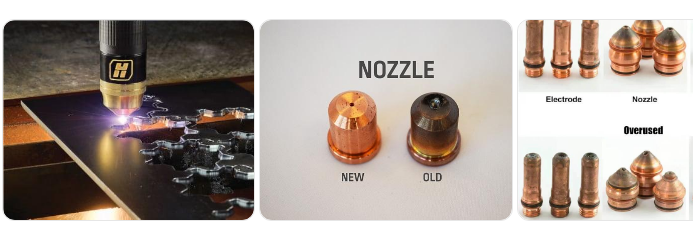
Verify Spare Parts Availability
One of the most common challenges faced by fabrication businesses is delayed spare part supply. Machine downtime increases significantly when consumables or replacement parts are unavailable.
Choose a supplier that maintains proper inventory for:
Electrodes
Nozzles
Torch consumables
Servo components
Controllers
Motion systems
Suppliers with strong spare parts support help businesses maintain uninterrupted production schedules.
Compare Pricing Beyond Initial Machine Cost
Many buyers make the mistake of choosing suppliers solely based on low pricing. However, the total cost of ownership matters more than the initial purchase amount.
A cheaper machine may lead to:
Higher maintenance expenses
Frequent breakdowns
Lower cutting efficiency
Increased power consumption
Poor cut quality
Instead of focusing only on upfront pricing, evaluate:
Factor | Low-Cost Supplier | Reliable Supplier |
Initial Price | Lower | Moderate |
Machine Durability | Average | High |
Technical Support | Limited | Comprehensive |
Spare Parts Availability | Inconsistent | Reliable |
Productivity | Lower | Higher |
Long-Term Value | Uncertain | Strong |
A reliable supplier may cost slightly more initially but often delivers better long-term operational savings.
Understand Customization Capabilities
Every manufacturing business has unique production requirements. Some companies need heavy-duty cutting systems for thick metal plates, while others require high-speed precision cutting for thin sheets.
A capable supplier should offer customization options such as:
Table size modifications
Automated loading systems
Multi-torch configurations
Pipe cutting attachments
Integrated dust collection systems
Advanced CNC controllers
Customization improves workflow efficiency and ensures the machine fits specific operational needs.
Review Customer Feedback and Case Studies
Customer reviews provide valuable insights into supplier reliability and service quality.
Look for feedback related to:
Machine performance
Technical support response
Installation experience
Spare part delivery
Long-term reliability
Case studies are equally useful because they show how the supplier solved real industrial challenges.
For instance, if a supplier successfully implemented CNC plasma systems for large fabrication plants, it indicates practical expertise and operational reliability.
Evaluate Training and Operator Support
Modern CNC machines include advanced software, automation features, and precision controls. Without proper training, operators may struggle to achieve optimal performance.
Professional suppliers provide:
Machine operation training
CNC programming guidance
Preventive maintenance education
Software usage support
Safety training
Well-trained operators improve machine efficiency, reduce errors, and extend equipment lifespan.
Check Technology Integration and Automation Features
Manufacturing industries are increasingly adopting automation to improve productivity and reduce labor dependency.
An advanced CNC Cutting Machine Supplier should offer modern features such as:
Automatic height control
Smart nesting software
IoT monitoring systems
Remote diagnostics
Servo-driven motion systems
Automated material handling
These technologies improve cutting accuracy, reduce waste, and enhance production speed.
Key Considerations Before Finalizing a Supplier
Before making a final decision, review these essential points:
Supplier industry experience
Machine quality standards
Technical support availability
Spare parts inventory
Software compatibility
Customization options
Customer feedback
Training support
Automation features
Long-term operational cost
Evaluating all these factors together helps businesses avoid costly mistakes.
Common Mistakes Businesses Should Avoid
Many buyers rush the purchasing process and face operational problems later.
Choosing Only Based on Price
Low-cost machines often compromise on durability and support quality.
Ignoring After-Sales Service
Technical support becomes critical once production starts.
Overlooking Future Scalability
Businesses should choose machines that can support future expansion needs.
Not Checking Consumable Availability
Limited consumable access can halt production unexpectedly.
Skipping Machine Demonstrations
Live demonstrations help buyers evaluate cutting quality, speed, and software performance.
How the Right Supplier Improves Business Growth
A reliable CNC supplier contributes to operational growth in several ways.
Better Productivity
Efficient machines increase production capacity without compromising quality.
Reduced Downtime
Strong technical support minimizes disruptions.
Improved Product Quality
Precision cutting enhances finished product consistency.
Lower Operational Costs
Advanced systems reduce waste, power usage, and maintenance expenses.
Competitive Advantage
Businesses with reliable CNC systems can handle complex projects more efficiently.
FAQs
How do I choose the best CNC Cutting Machine Supplier?
Choose a supplier based on machine quality, industry experience, technical support, spare part availability, customization options, and customer feedback rather than price alone.
What industries use CNC cutting machines?
CNC cutting machines are widely used in automotive, construction, aerospace, shipbuilding, heavy engineering, HVAC, and metal fabrication industries.
Why is after-sales support important in CNC machines?
After-sales support helps reduce downtime, maintain machine performance, and resolve technical issues quickly to ensure uninterrupted production.
Which CNC cutting technology is best for metal fabrication?
The ideal technology depends on material thickness and precision requirements. Plasma cutting is suitable for industrial fabrication, while laser cutting offers higher precision for thin sheet metal applications.
What should I check before buying a CNC cutting machine?
Check machine quality, software compatibility, support services, spare part availability, training support, automation features, and long-term operational costs before purchasing.
Conclusion
Choosing the right CNC Cutting Machine Supplier is a strategic business decision that affects productivity, operational efficiency, and long-term profitability. A dependable supplier provides more than machinery. They offer technical expertise, reliable support, training, customization, and consistent service that helps businesses maintain smooth production operations.
Before investing, carefully evaluate supplier experience, machine quality, spare parts support, and after-sales service. A well-informed decision helps businesses avoid costly downtime, improve cutting performance, and achieve better manufacturing results over time.

Comments